What counts as an all-rounder, and the four definitions in use
Four definitions are in circulation and only one of them is testable: does the batting average exceed the bowling average. Very few players in history clear it.
The word is used for anybody who does two things, which makes it almost useless. There are four definitions in circulation, they disagree about most players, and one of them can actually be checked.
- The strict definition — good enough as a specialist at either — excludes nearly everyone
- The testable one is a batting average above the bowling average
- The working one is a role: bats in the top seven, bowls a full spell
- T20 has a fourth definition and it is about squad slots, not quality
The four definitions
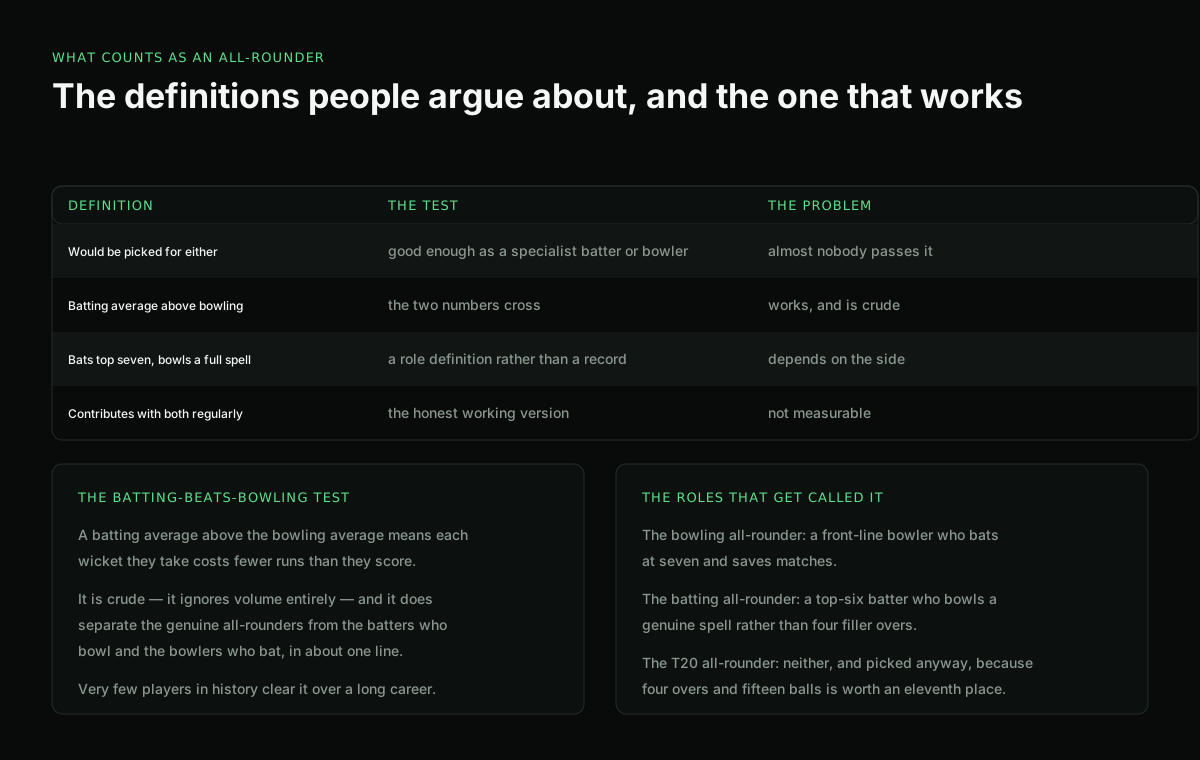
"Would be picked for either discipline alone." The purist's version, and it is so strict that a handful of players in the history of Test cricket pass it. It is a definition of greatness rather than of a role.
"Batting average above bowling average." Testable in one line, and it does separate the genuine article from the batters who bowl. Its weakness is that it ignores volume entirely: somebody who bats at seven and bowls four overs a match can clear it without being an all-rounder in any useful sense.
"Bats in the top seven and bowls a full spell." A role definition rather than a record one. It describes what the side actually needs, and it depends on the composition of that particular eleven.
"Contributes with both regularly." The honest working version and completely unmeasurable.
Most arguments about whether a specific player is an all-rounder are two people using different definitions and neither of them saying which.
Why the average test works better than it should
Comparing a batting average with a bowling average is comparing runs per dismissal with runs per wicket, which are not the same kind of thing at all. It should not work.
It works because of what it captures: a player whose batting average exceeds their bowling average is, over a career, generating more runs than they concede for each unit of the currency the format cares about. It is a rough measure of net contribution and it happens to land in about the right place.
The threshold is also usefully brutal. A batting average of 35 and a bowling average of 32 clears it. A batting average of 30 and a bowling average of 34 — a perfectly useful cricketer — does not. Very few players sustain the first over fifteen years.
| Profile | Batting | Bowling | All-rounder? |
|---|---|---|---|
| Genuine, by any definition | 38 | 28 | yes, comfortably |
| Bowling all-rounder | 30 | 27 | yes, narrowly |
| Batting all-rounder | 42 | 44 | no, on this test |
| A batter who bowls | 45 | 55 | no |
| A bowler who bats | 22 | 26 | no |
The two roles that actually exist
Selectors do not think in definitions. They think in slots.
The bowling all-rounder is a front-line bowler who bats at seven. His bowling is picked first; his batting is what lets the side play an extra bowler. He is the reason a captain can attack for eighty overs without exposing a tail at number seven.
The batting all-rounder is a top-six batter who bowls a genuine spell — ten overs in a Test, not four filler overs before lunch. He is the reason a captain has a fifth bowling option and can rest somebody.
Those are different jobs and sides need different ones depending on the rest of the eleven. A side with four fast bowlers wants the batting version. A side with a long batting order wants the bowling version.
The T20 all-rounder is a different animal
In franchise cricket the word means something else entirely, and it is about squad economics rather than ability.
A T20 side has eleven slots and needs twenty overs of bowling plus a batting order deep enough to survive. A player who bowls four competent overs and hits fifteen balls at the death is not an all-rounder by any traditional definition — his batting average might be 18 and his bowling average 30 — and he is worth an enormous amount, because he lets the side pick a specialist somewhere else.
That is why auction prices for "all-rounders" often make no sense against the averages. The value is the slot, not the record.
What a side gains from having one
The concrete benefit is a slot, and it compounds.
An eleven with a genuine all-rounder at seven can field five bowling options instead of four while still batting to seven. That means a captain can take a bowler off who is going badly without exposing the attack, can rest a fast bowler in the middle of a long innings, and can attack from both ends for longer.
It also changes the toss. A side with five bowling options can bowl first on a green pitch without worrying about the batting; a side with four cannot.
That is why a good all-rounder is worth more than his individual records, and why selectors persist with players whose two averages look ordinary next to the specialists they replaced.
The wicketkeeper-batter question
There is a related argument about whether a keeper who bats at six counts, and the answer is that it is a different kind of dual role entirely.
An all-rounder does two jobs that compete for practice time and physical capacity. A keeper-batter does two jobs that are complementary: keeping does not tire the body the way bowling does, and the two skills share hand-eye foundations rather than fighting for the same hours.
Which is why almost every Test side now fields a keeper who bats in the top seven, and almost no side fields a genuine seam-bowling all-rounder. One combination is sustainable across a career and the other is not.
Why they are so rare
Two reasons, and one of them is physical.
Time. Batting and bowling are both practised for hours a day, and there are not enough hours to do both at the level required. Players who try are usually better at one and adequate at the other, and specialise by their mid-twenties.
Bodies. A fast bowler who also bats in the top six is doing two demanding jobs in the same match, in the same heat, on the same legs. The injury records of genuine seam-bowling all-rounders are uniformly bad, and the careers are shorter than comparable specialists'.
Spin-bowling all-rounders last longer for exactly this reason, which is why more of them clear the average test over a full career.
A player averages 41 with the bat and 46 with the ball across a hundred Tests, batting at five and bowling twelve overs a match. Are they an all-rounder?
Batting at five and bowling a genuine share of the overs is the role definition of a batting all-rounder. The average test fails, because the bowling average exceeds the batting one, which is the point of using both definitions rather than one.
- Anybody who does two things
- A number eight who scores fifties
- A batter who bowls part-time
- A T20 squad slot
- Somebody whose second discipline is genuinely front-line
- A number seven who would bat at six anyway
- A bowler whose batting changes the balance of the side
- A player selected twice over
- Four definitions circulate and most arguments are about which one is being used
- The average test is crude, checkable, and lands in roughly the right place
- Selectors think in roles: bowling all-rounder or batting all-rounder
- The T20 version is about squad slots, not about being good at two things
The short version
An all-rounder is a player a side would want in the eleven for either discipline alone. Almost nobody is, which is why the word gets stretched — and why the batting average against the bowling average, crude as it is, remains the fastest way to end the argument.
For the numbers involved, see batting average is not runs per innings and bowling economy rate explained.